
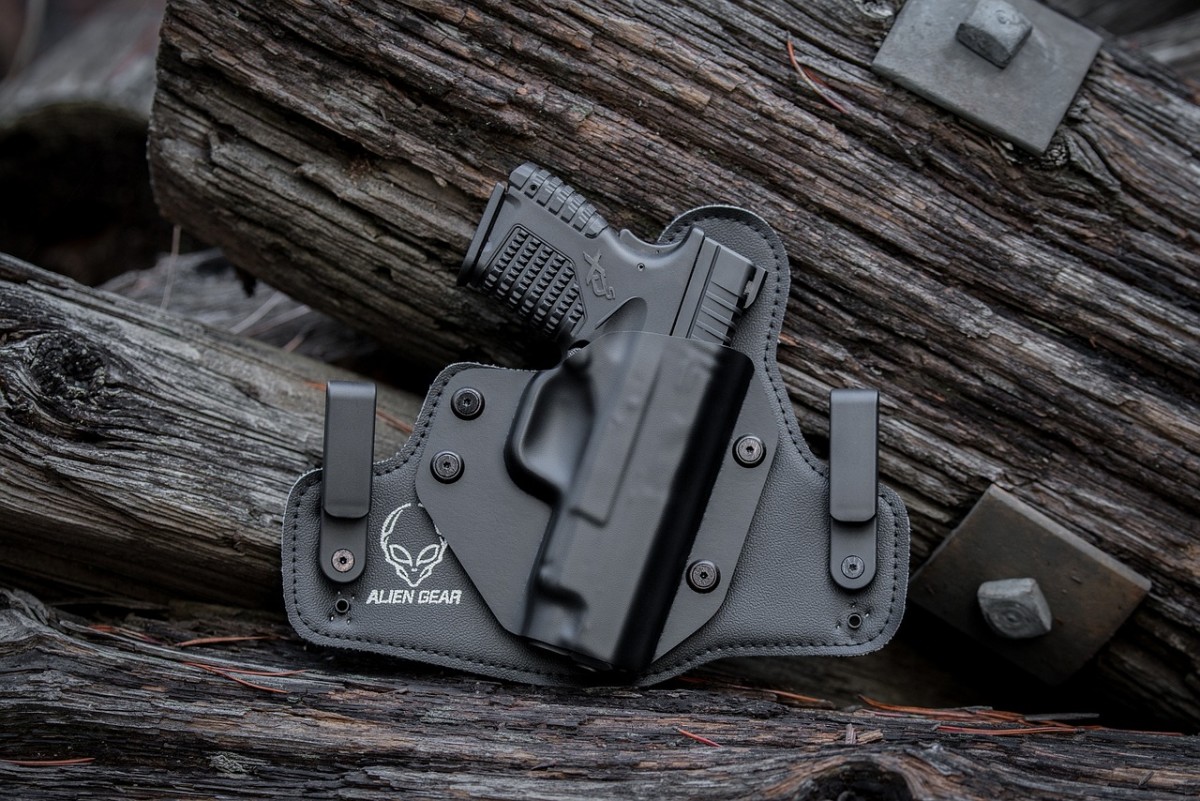
Carrying a concealed weapon in your vehicle requires adherence to specific legal requirements and a commitment to safety. Understanding the relevant laws and best practices is crucial to ensure responsible firearm ownership. Below, we outline the key considerations for legally carrying a concealed weapon in your vehicle.
Understand State and Local Laws
Laws governing concealed carry in vehicles vary by state, so it’s essential to familiarize yourself with the regulations where you live—or where you plan to travel.
- Permit Requirements: Many states require a concealed carry permit or license to legally transport a firearm in your vehicle.
- Storage Rules: Some jurisdictions mandate that firearms must be unloaded and stored in a locked container if carried without a permit.
- Accessibility Restrictions: In certain states, firearms must not be readily accessible, such as placed in the trunk of the car.
Check your state’s official government website for detailed information or consult an attorney specializing in firearms law.
Secure Storage of Your Firearm
Proper storage is critical for both legal compliance and safety.
- Use a Lockable Safe or Box: A portable gun safe ensures that your firearm is securely stored when not on your person.
- Keep Ammo Separate (if required by law): If state regulations prohibit loaded firearms during transport, store ammunition separately from the firearm.
- Avoid Glove Compartments: Unless explicitly allowed, storing firearms in glove compartments can sometimes lead to legal complications.
| Storage Location | Legal Status (Varies by State) | Safety Recommendation |
| Locked Gun Safe | Generally Permitted | Highly Recommended |
| Glove Compartment | Often Restricted | Use Caution |
| Vehicle Trunk | Permitted Without Permit | Recommended |
Practices for Safe Handling During Transit
- Always Treat Firearms as Loaded: Handle them responsibly even if unloaded.
- Avoid Unnecessary Handling: Limit moving or adjusting your firearm while driving unless absolutely necessary.
- Be Mindful of Passengers: Ensure that anyone traveling with you understands basic firearm safety rules.
Interactions with Law Enforcement
- Keep your hands visible at all times—ideally on the steering wheel.
- Avoid sudden movements and comply fully with any instructions given.
Many states require individuals with concealed carry permits to disclose their armed status during traffic stops; failure to do so could result in fines or additional charges.
Regularly Review Your Responsibilities
Carrying a concealed weapon responsibly goes beyond meeting legal standards—it requires vigilance and ongoing education about safety protocols. Revisit guidelines periodically as laws can change over time, particularly when relocating or traveling across state lines.
By following these steps, you can help ensure that transporting your firearm remains both lawful and secure while prioritizing safety at all times.
Key Responsibilities for Virginia Concealed Carry Permit Holders When Stopped by Law Enforcement
Being stopped by law enforcement while carrying a concealed firearm requires preparation, calmness, and knowledge of your legal obligations. Below are the essential responsibilities and best practices to ensure the encounter remains safe and lawful for everyone involved.
Enhance Safety and Compliance with Concealed Carry Classes in Washington DC
- Pull Over Safely: Choose a safe location to stop your vehicle, preferably well-lit and away from traffic.
- Remain Calm: Keep both hands visible on the steering wheel or in plain sight. Avoid sudden movements that could be misinterpreted as a threat.
- Wait for Instructions: Do not reach for your wallet, license, or firearm until instructed to do so by the officer.
Disclose Your Concealed Carry Status
Even in states where it is not mandatory, voluntary disclosure is often considered a best practice for officer safety and transparency.
- Know Your State Laws: Some states have “must-inform” laws requiring immediate disclosure of your concealed carry status during interactions with law enforcement.
- Example: Ohio requires individuals with a concealed carry license (CCL) to inform officers immediately if they are carrying.
- Counterexample: In Pennsylvania, there is no legal requirement to disclose unless asked directly.
- Choose Your Words Carefully: Use clear language such as:
- “Officer, I want to let you know that I am legally carrying a concealed firearm.
- Avoid using alarming phrases like “I have a gun.
| State | Disclosure Requirement | Notes |
| Texas | Yes | Immediate disclosure required |
| Florida | No | Must disclose only if asked |
| Michigan | Yes | Required when interacting with police |
Follow Lawful Instructions
- Provide your driver’s license and concealed carry permit together.
- Confirm where these items are located before reaching for them. Example: “My wallet is in my back pocket; I will retrieve it now.
- Comply without resistance or argument.
- Allow the officer to safely secure the weapon.
Understand Your Rights
- Fourth Amendment Protections: Officers cannot search your vehicle without probable cause or consent unless they perceive an immediate safety threat.
- Attorney Access: If further questioning leads beyond routine traffic concerns into firearms-related matters, you have the right to request legal counsel.
Best Practices Summary
- Maintain composure and keep movements slow and deliberate.
- Be honest about your concealed carry status without creating unnecessary alarm.
- Respect both state laws regarding disclosure requirements and officer instructions during the encounter.
Preparation ensures these interactions remain professional and avoids misunderstandings that could escalate unnecessarily.
Essential Responsibilities When Stopped by Law Enforcement While Carrying Concealed
Being stopped by law enforcement while carrying a concealed weapon is a situation that requires careful adherence to legal responsibilities and respectful communication. Understanding your obligations and acting appropriately can help ensure the safety of both you and the officer, as well as protect your legal rights.
Laws regarding concealed carry vary widely by state. Some jurisdictions require specific notifications to law enforcement, while others do not. It is essential to familiarize yourself with the laws in your location and any states you travel through to avoid unintentional violations.
- Duty to Inform:Certain states mandate that individuals carrying a concealed weapon must inform law enforcement officers immediately upon contact.
- Permits and Documentation:Always carry your valid concealed carry permit (if required) alongside a government-issued photo ID.
- Transport Laws:If traveling across state lines, be aware of differences in firearm transportation regulations.
| State | Duty to Inform Requirement | Notes |
| Ohio | Yes | Must inform even during routine stops. |
| Florida | No | Only disclose if specifically asked by an officer. |
| Michigan | Yes | Immediate disclosure required; penalties for noncompliance can apply. |
Interactions with law enforcement can be stressful, but remaining calm fosters a safer environment for everyone involved.
- Pull Over Safely:When signaled by an officer, find the nearest safe location to pull over.
- Avoid Sudden Movements:Avoid reaching for any objects until instructed by the officer.
- Maintain Respectful Communication:Speak calmly and respectfully at all times.
A suggested script:
“Officer, I need to let you know that I am legally carrying a concealed firearm with a valid permit.”
Avoid using unnecessary jargon or phrases that could escalate tension (e. g. , “I have a gun”).
- Wait for instructions before making any movement toward your identification or firearm.
- If asked to hand over your permit or identification, clearly explain each action before doing so — e. g. , “My wallet is in my back pocket; I am reaching for it now.
- Never reach for or display your firearm unless explicitly instructed.
Afterward, it may be helpful to document details of the interaction in case questions arise later regarding compliance or behavior during the stop.
Questions to record include: – What was discussed? – Were there clear instructions on handling firearms during the stop? – Were proper protocols followed on both sides?
Understanding these key responsibilities demonstrates respect for law enforcement officers while protecting yourself legally when carrying concealed during routine stops or other encounters on public roads. By staying informed and composed, you can ensure safer interactions centered around mutual respect and adherence to legal requirements.

How to Properly Transport a Firearm Without a Concealed Pistol License
Transporting a firearm without a concealed pistol license (CPL) requires careful adherence to state and federal laws to ensure compliance and avoid potential legal issues. Each jurisdiction may have its own specific regulations, so it is essential to familiarize yourself with the laws in your area. Below are guidelines and best practices for properly transporting your firearm without a concealed pistol license.
Key Considerations
- Some states have strict requirements about how firearms can be transported in vehicles or public spaces if you don’t have a CPL.
- Research your state’s requirements regarding firearm transportation, including storage conditions and permitted transportation methods.
- Be aware of interstate transportation rules when traveling between states. The Firearm Owners Protection Act (FOPA) provides some protection, but only under certain circumstances.
- In most jurisdictions, firearms must be unloaded during transportation.
- Ammunition should often be stored separately from the firearm, ideally in another compartment or locked container.
- Many states require that firearms be transported in locked cases or containers that are inaccessible from the passenger compartment of the vehicle.
- If your vehicle does not have separate compartments (e. g. , sedans without trunks), use specialized lockable cases stored as far from immediate reach as possible.
Steps for Safe Transportation
- Ensure there is no ammunition in the chamber or magazine before transporting the firearm.
- Store ammunition in a secure container away from the unloaded firearm.
- Lock the unloaded firearm in an approved case that complies with local regulations.
- For vehicles with trunks: Place both the locked firearm container and ammunition container inside the trunk.
- For vehicles without trunks: Place them at opposite ends of the vehicle (e. g. , behind a rear seat or under floor panels).
Example Table: State-Specific Requirements Overview
| State | Unloaded Required? | Locked Case Required? | Ammo Storage Rules | Notes |
| California | Yes | Yes | Must be separate from firearm | Mandatory for all private vehicles |
| Texas | No* | No* | No specific rule | *Provided it’s not carried unlawfully |
| New York | Yes | Yes | Must not be accessible during transport | Highly regulated across counties |
Tips for Avoiding Legal Issues
- Always keep proof of ownership readily available while transporting your firearm.
- Understand exceptions for “immediate need” situations, such as trips to shooting ranges or gunsmiths.
- Avoid any actions that could make law enforcement believe you are carrying unlawfully (e. g. , keeping firearms visible within arm’s reach).
- Double-check reciprocity agreements if traveling between states, even if merely passing through.
By following these guidelines, you can ensure you’re handling your responsibilities as a gun owner appropriately while respecting public safety and applicable laws.
Key Steps to Take if Charged With a Firearm Violation
Facing a firearm violation charge can be a challenging and stressful experience. Whether it stems from an unintentional mistake or alleged misconduct, it is important to remain proactive and informed.
- Do not panic: Avoid making rash decisions or statements that could complicate your case.
- Contact an attorney: Consult with an experienced firearms attorney who specializes in local, state, and federal firearms laws. They can provide invaluable guidance tailored to your specific circumstances.
- Avoid self-incrimination: Refrain from discussing the details of your case with anyone other than your legal counsel, especially law enforcement, without proper representation present.
Knowing the specifics of the firearm violation charge is essential for building a defense strategy.
– Carrying a concealed weapon without a permit/license
– Violations of gun-free zone restrictions (e. g.
– Failing to follow proper transportation protocols for firearms
– Possessing restricted or prohibited weapons (such as unregistered firearms or those classified as illegal in certain jurisdictions)
Reviewing the statute under which you are charged can help clarify potential penalties and defenses that may apply.
| Violation Type | Possible Penalties | Example Scenarios |
| Concealed carry without license | Fines, jail time, probation | Carrying concealed without valid permit |
| Gun-free zone violation | Misdemeanor or felony charges | Bringing a firearm into restricted areas |
| Improper transportation | Seizure of firearm, civil fines | Unsecured firearm in vehicle |
Having accurate records is crucial when navigating charges related to firearms.
– Proof of concealed carry permits/licenses (if applicable)
– Receipts for legally purchased firearms
– Training certifications for safety courses completed
– Documentation regarding the legality of how the weapon was acquired (e. g.
This information will be critical for demonstrating compliance with applicable laws or identifying errors in law enforcement’s claims.
Firearm laws vary significantly between states and are subject to federal regulations as well. Work with your attorney to evaluate whether any rights have been violated during your arrest or handling of evidence by law enforcement officers.
– Fourth Amendment protection from unlawful search and seizure
– Improper questioning techniques leading to self-incrimination violations
An understanding of these laws may strengthen your defense if procedural errors occurred during your case.
While awaiting resolution of the charge(s), avoid actions that could exacerbate your situation:
– Do not purchase additional firearms until given clear guidance by legal counsel
– Comply fully with any court orders regarding restrictions on carrying or owning weapons
– Attend all scheduled hearings promptly
Remaining compliant demonstrates responsibility and respect for judicial processes, which may positively influence outcomes.
Final Thoughts on Navigating Firearm Violations
While facing a firearm violation is daunting, patience combined with professional legal assistance can improve outcomes significantly. By understanding all aspects of the charge(s), preparing detailed documentation, protecting constitutional rights, and adhering strictly to legal advice throughout proceedings ensures you are best-positioned for resolution consistent within lawful parameters.
- What to Expect from Concealed Carry Classes in Washington DC
- Understanding Concealed Carry Virginia Laws for Safe and Responsible Gun Ownership
- Steps to Obtain and Renew a Virginia Concealed Carry Permit
- Essential Concealed Carry Virginia Tips Every Responsible Gun Owner Should Know
- Essential Tips for Practicing Concealed Carry in Virginia for Personal Protection
- 5 Crucial Facts About Concealed Carry Virginia Gun Owners Need to Know
- Comprehensive Guide to Concealed Carry Virginia Laws
- Essential Information You Need to Know About the Virginia Concealed Carry Permit