
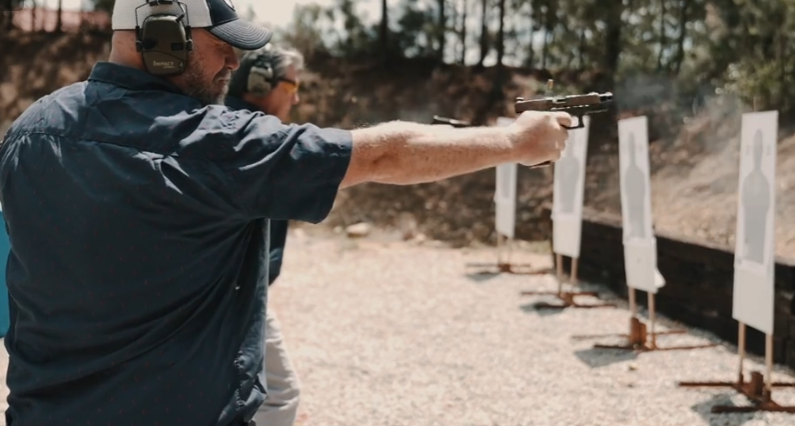
Concealed carry remains a significant and often debated aspect of personal safety. As individuals increasingly prioritize their security in an unpredictable world, more people are recognizing the potential benefits of concealed carry for personal protection. Below, we explore the key reasons why this option is worth considering.
1. Immediate Access to Self-Defense
When faced with a potentially life-threatening situation, immediate access to a tool for self-defense can make the difference between life and death. Relying solely on law enforcement, while important, may not always yield timely results due to response delays or logistical challenges. A concealed weapon allows individuals to protect themselves and others during critical moments.
Benefits of Immediate Access:
– Provides an option to neutralize threats quickly. – Reduces dependency on external assistance during emergencies. – Empowers individuals to feel secure in their day-to-day lives.
2. Deterrence Against Crime
The mere fact that someone might be armed can act as a deterrent to would-be attackers or criminals. Studies suggest that areas with higher rates of responsible firearm ownership often experience lower rates of violent crime.
Why Concealed Carry Acts as a Deterrent:
– Criminals are less likely to target individuals who may be armed. – Enhanced awareness among citizens fosters a safer community environment.
| Statistic | Insight |
| States with concealed carry laws | Tend to show lower violent crime rates |
| Armed victim incidents | Lead to fewer successful crimes |
3. Increased Personal Responsibility
Those who choose to conceal carry often develop a stronger sense of personal responsibility regarding their actions and safety practices. This includes understanding firearm laws, honing skills through training, and maintaining situational awareness in public spaces.
Key Traits Developed by Concealed Carry Holders:
– Discipline: Regular practice ensures safe handling. – Accountability: Understanding legal rights and restrictions. – Awareness: Staying alert in various environments reduces risks.
4. Peace of Mind in High-Risk Situations
Whether walking alone at night, commuting through unfamiliar areas, or faced with increasing reports of violent crime locally, carrying concealed offers peace of mind that you are prepared if danger arises.
Examples of High-Risk Scenarios:
– Traveling through remote areas without cell service. – Attending late-night events or working odd hours. – Living or working in urban areas prone to heightened crime rates.
5. Protecting Others Beyond Yourself
Concealed carry isn’t solely about self-preservation; it also enables you to step up when others are threatened. In scenarios like active shooter events or other emergencies where others may be defenseless, having the capability to respond effectively can save lives.
Potential Scenarios Where Concealed Carry Could Be Beneficial:
1. Protecting loved ones during an attack at home or outdoors.
2. Intervening when witnessing violence against another person (if safe and appropriate).
By taking responsibility for one’s personal protection through concealed carry, individuals can gain confidence while contributing positively toward community safety—if done responsibly and within legal parameters.
Why Obtaining a Virginia Concealed Carry Permit Can Be Crucial in Critical Situations
In high-stress and dangerous situations, every second counts. While law enforcement officers are highly trained professionals capable of responding to emergencies, there are inherent limitations that make it impossible for them to be everywhere at once. Relying solely on their arrival during a critical situation can leave individuals and families vulnerable. Here’s why you can’t always afford to wait for law enforcement in these moments, and why personal preparedness is essential.
Understanding Response Times and Concealed Carry Classes in Washington DC
Law enforcement response times vary widely depending on factors such as location, traffic conditions, and the priority level of the call. According to data from the Bureau of Justice Statistics:
– Urban areas: Average response times range between 5-10 minutes.
– Suburban areas: Response times often extend to 10-15 minutes.
– Rural areas: In isolated regions, response times may exceed 30 minutes or more.
Unfortunately, violent crimes often escalate in a matter of seconds, leaving little room for intervention before the situation turns dire. These delays highlight the importance of having the ability to defend yourself until help arrives.
Why Seconds Matter During an Emergency
Criminals who initiate violent encounters focus on speed and aggression to gain control over their victims. In critical situations:
– A robbery or assault can occur in under a minute.
– Active threats like home invasions or shootings unfold rapidly with devastating consequences before assistance can arrive.
The inability to act decisively in those crucial moments increases risk not only for yourself but also for anyone else involved. Having a concealed carry weapon (CCW) offers immediate means to protect against such threats when no one else is available to help.
Challenges Law Enforcement Faces
| Challenge | Impact |
| Limited personnel | Officers may need to prioritize higher-risk calls over lower-priority ones. |
| Geographic barriers | Larger jurisdictions or remote areas delay response times significantly. |
| Communication delays | Miscommunication or insufficient details from 911 callers may slow dispatch time. |
| High volume of calls | Busy jurisdictions often experience backlogs during peak hours of operation. |
These factors further emphasize why individuals must take proactive steps toward their own security rather than relying solely on external assistance.
Benefits of Concealed Carry as a Supplementary Measure
Carrying a concealed firearm legally and responsibly allows individuals to bridge the gap between the onset of danger and professional assistance arriving on scene. Key benefits include:
– Immediate defensive capability: Neutralize an immediate threat quickly when waiting is not an option. – Deterrence factor: Criminals are less likely to target someone they suspect might be armed. – Peace of mind: Knowing you have options in life-threatening situations reduces fear and enhances confidence.
However, carrying a concealed weapon requires proper training, awareness, and adherence to local laws regarding firearm ownership and use.
Understanding that law enforcement cannot always intervene instantaneously is not about criticism but about preparation. By acknowledging these limitations and taking responsibility for your personal safety through responsible concealed carry practices, you increase your chances of protecting yourself and those you care about in critical situations where every moment matters most.
Why You Can’t Always Wait for Law Enforcement During Critical Situations
When a critical or life-threatening situation arises, every second matters. While law enforcement officers are trained to handle emergencies, they may not always be able to respond immediately due to factors such as distance, response time, or communication delays. This is where concealed carry comes into consideration as a tool for self-reliance and preparedness in unpredictable moments.
Response Time Matters
- Urban areas typically have a police response time of 5–10 minutes.
- Rural areas can see delays ranging from 15–30 minutes or more due to geographic challenges or fewer available officers.
For individuals facing an imminent threat, this delay could mean the difference between life and death. Being able to defend yourself within those crucial moments becomes vital when waiting is simply not an option.
Real-Life Examples of Delayed Assistance
- Home Invasions: Attackers often act swiftly and with force. Waiting for law enforcement may leave little opportunity to protect yourself or loved ones inside your home before the intruder causes harm.
- Active Shooter Incidents: These tragic events unfold rapidly—often in under 10 minutes—leaving little room for intervention if no one is equipped to respond locally.
- Carjackings: These crimes happen in seconds, often leaving victims with no external help unless they are prepared to act quickly on their own behalf.
Empowering Individuals Through Concealed Carry
- Immediate Self-Defense: Being armed allows individuals to neutralize threats as they arise without waiting for outside assistance.
- Deterrence Factor: The possibility of encountering an armed citizen can dissuade potential criminals from committing violent acts.
- Protection of Others: Carrying a firearm enables individuals not only to protect themselves but also those around them who may be unable to defend themselves.
Balancing Responsibility with Preparedness
| Responsibility | Importance |
| Proper Training | Ensures safe handling and effective use during high-pressure situations |
| Adherence to Laws | Prevents legal repercussions by understanding concealed carry regulations |
| Regular Practice | Maintains proficiency in marksmanship and decision-making under stress |
| Situational Awareness | Helps identify potential threats early while avoiding unnecessary confrontations |
By combining these practices with the decision to conceal carry, individuals are better prepared for critical situations where immediate action is necessary.
Final Thoughts
While law enforcement remains an essential resource in maintaining public safety, it is unrealistic—and sometimes dangerous—to rely solely on their response during emergencies. Taking proactive steps toward personal protection through concealed carry ensures that you have options when every second counts.
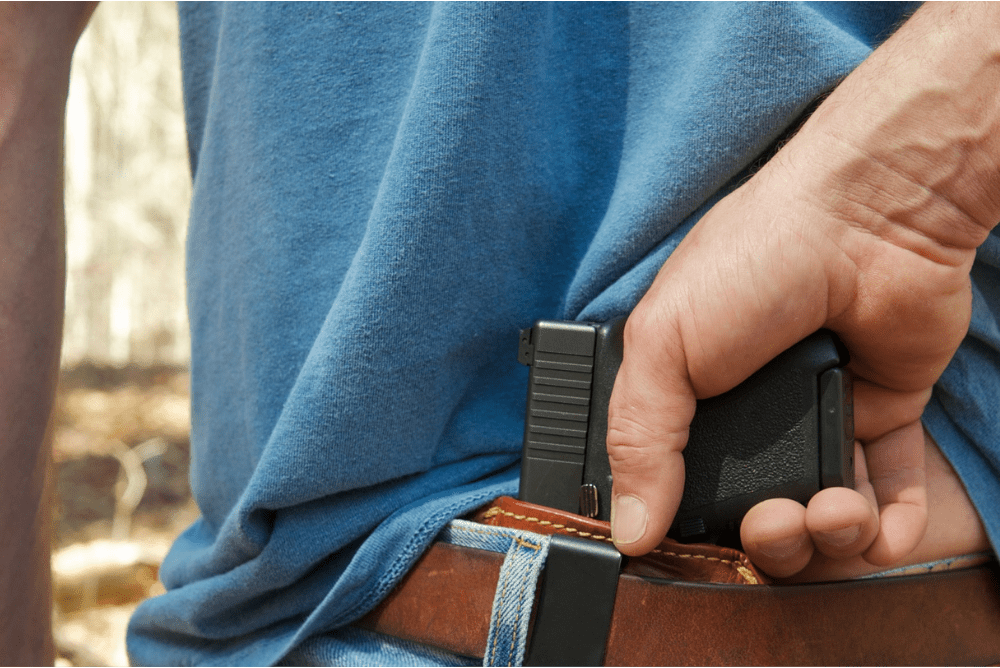
How Concealed Carry Provides a Tactical Advantage in Dangerous Situations
Concealed carry is more than just a tool for self-defense; it offers individuals a distinct tactical advantage during dangerous situations. When faced with potential threats, being prepared and having the ability to react decisively can make all the difference. Here’s how concealed carry provides this critical edge.
1. Element of Surprise
One of the most significant advantages of concealed carry is maintaining the element of surprise. Because your firearm is not visible, a potential assailant cannot easily assess whether you are armed or not. This uncertainty can work in your favor during confrontational scenarios.
- Criminals often target individuals they perceive as vulnerable or unprepared.
- Carrying concealed allows you to remain an unassuming presence while still being ready to respond if necessary.
- The lack of visibility ensures that any defensive action you take will catch an aggressor off guard, giving you precious seconds to act.
2. Immediate Response in Life-Threatening Scenarios
In life-threatening situations, timing is everything. Waiting for external assistance may not always be feasible, and this is where concealed carry shines by allowing for immediate action when no other options exist.
- Law enforcement response times vary significantly depending on location and circumstances.
- A concealed firearm allows individuals to bridge the gap until professional help arrives.
- Being armed empowers law-abiding citizens to protect themselves and others without delay.
| Scenario | Average Police Response Time | Time for an Incident to Escalate |
| Urban Area Home Invasion | 8–12 minutes | Under 60 seconds |
| Public Active Shooter Event | 3–5 minutes | Immediate |
| Rural Area Emergency | 15–20 minutes | Can escalate in under 2 minutes |
3. Enhanced Preparedness Through Training
Carrying a firearm responsibly requires proper training—a factor that also contributes significantly to gaining a tactical advantage. Effective training programs teach situational awareness, firearm handling, and decision-making under pressure.
Key benefits of training include:
– Improved accuracy and confidence when using your firearm. – Better understanding of conflict de-escalation techniques. – Awareness of surroundings, which helps identify potential threats early.
Responsible gun owners who invest time in training are far more prepared to protect themselves and others effectively during emergencies.
4. Deterrence Factor Against Threats
While it’s impossible to predict every situation, there is evidence suggesting that concealed carry acts as a deterrent against criminal behavior. Knowing there’s a possibility that someone might be armed may cause would-be attackers to think twice about their actions.
According to research:
– States with higher rates of legal concealed carry holders tend to see lower violent crime rates. – Criminals prefer “soft targets” where resistance is unlikely—concealed carriers change this dynamic entirely by introducing uncertainty into their calculations.
5. Mobility and Tactical Positioning
- For example, if an active threat arises in a public space, being armed discreetly enables you to seek cover or assist others from safety while staying prepared for defense.
- The flexibility provided by concealed carry ensures users can adapt quickly as the situation evolves without exposing themselves unnecessarily.
Concealed carry is not just about carrying a weapon; it’s about leveraging preparedness, training, and awareness effectively in dangerous situations. By combining these elements with the tactical advantage provided by concealment itself, responsible carriers can greatly enhance their ability to navigate crises safely while minimizing risks both for themselves and those around them.
The Importance of Situational Awareness When Choosing to Conceal Carry
Situational awareness is a critical skill for anyone who chooses to carry a concealed firearm. It goes beyond simply being armed; it involves understanding your surroundings, recognizing potential threats, and making informed decisions that keep you and others safe. Below, we’ll explore why situational awareness is key and how it integrates into responsible concealed carry practices.
What is Situational Awareness?
- Who is around you
- What activities are happening in the area
- Potential escape routes or safe zones
- Behavioral cues that may signal danger
By maintaining situational awareness, individuals can avoid dangerous situations before they escalate into threats.
Why Situational Awareness Matters for Concealed Carry
- Early Threat Detection
Being observant allows you to identify suspicious behavior early. This could include someone acting nervously in a crowd or loitering near entrances or exits. - De-escalation Opportunities
Not every confrontation requires the use of force. By staying aware of your surroundings and monitoring behavior patterns, you may create opportunities to de-escalate situations without drawing your firearm. - Better Decision-Making
Awareness allows you to assess whether defensive action is necessary or whether retreating from the situation is the safest option. - Avoiding Tunnel Vision
In high-stress scenarios, it’s easy to focus on one threat while ignoring others around you. Maintaining situational awareness helps ensure no additional risks are overlooked.
Practical Tips for Enhancing Situational Awareness
- Practice Observation Skills: Regularly take note of people’s behaviors in public places like parks, malls, or restaurants.
- Use the OODA Loop Model: This decision-making framework—Observe, Orient, Decide, Act—helps improve response times during developing situations.
- Eliminate Distractions: Avoid being preoccupied with your phone or other distractions when in unfamiliar areas.
- Position Yourself Strategically: Always sit where you can see entrances/exits and avoid getting cornered in any space.
- Trust Your Instincts: If something feels off about a setting or individual, take action immediately by leaving the area if possible.
| Situation | Recommended Action |
| Someone behaving aggressively | Find an exit route; do not engage |
| Crowded area with unusual activity | Stay on alert; avoid bottlenecks |
| Unfamiliar territory | Walk confidently; avoid secluded areas |
Integrating Awareness with Concealed Carry Training
Carrying a firearm might provide peace of mind during uncertain situations but relying solely on the presence of your weapon without sharpening mental preparedness can be dangerous. Training programs often emphasize marksmanship but pairing those skills with real-world scenario training focused on observation and decision-making sharpens overall preparedness.
Regularly practicing drills such as “what-if” scenarios can help improve judgment during real-life encounters while teaching how situational cues should dictate responses rather than assumptions about intent.
In summary: deploying your firearm responsibly begins long before needing it—it starts with knowing what’s happening around you at all times while effectively managing environmental risks for safer outcomes.
- What to Expect from Concealed Carry Classes in Washington DC
- Understanding Concealed Carry Virginia Laws for Safe and Responsible Gun Ownership
- Steps to Obtain and Renew a Virginia Concealed Carry Permit
- Essential Concealed Carry Virginia Tips Every Responsible Gun Owner Should Know
- Essential Tips for Practicing Concealed Carry in Virginia for Personal Protection
- 5 Crucial Facts About Concealed Carry Virginia Gun Owners Need to Know
- Comprehensive Guide to Concealed Carry Virginia Laws
- Essential Information You Need to Know About the Virginia Concealed Carry Permit